
[GHHF] Gau Puja in Sanatana Dharma: A Tradition of Reverence, Compassion and Seva.
 Sai Srinivas
https://bharatobserver.in/gau-puja-in-sanatana-dharma-a-tradition-of-reverence-compassion-and-seva/
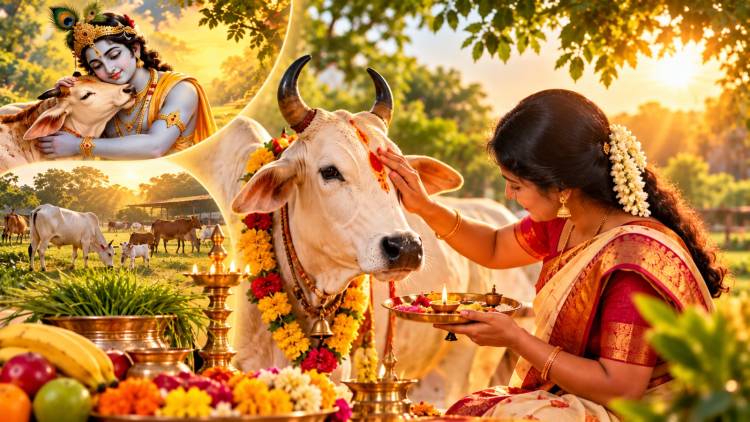
In Sanatana Dharma, the cow has long held a special place as a symbol of nourishment, compassion, abundance and selfless giving. Gau Puja, the traditional worship of the cow, is therefore understood as more than a religious ritual. It represents gratitude toward an animal that has historically played an important role in spiritual life, agriculture and rural society.
The Global Hindu Heritage Foundation (GHHF) incorporates Gau Puja into its Intinta Shiva Abhishekam initiative, conducting the worship before beginning Shiva Abhishekam on Mondays. The practice reflects the organization’s emphasis on connecting religious observances with Gau Seva, compassion and community participation.
Gau Mata in Hindu Tradition
Hindu scriptures and traditions have associated the cow with several forms of divine symbolism. Gau Mata is revered as a representation of motherhood and abundance, while Kamadhenu, the celestial cow described in Hindu tradition, represents prosperity and the fulfilment of noble aspirations.
Lord Krishna’s association with cows is another important element of this tradition. Known by names such as Govinda and Gopala, Krishna’s relationship with cows has made them an enduring symbol of care, protection and devotion within Vaishnava traditions.
The traditional belief that numerous deities are symbolically present within the cow further strengthens the spiritual significance attached to Gau Puja. For devotees, offering respect to the cow becomes an expression of reverence toward the divine as a whole.
Gau Puja During Pitru Paksha
The practice also assumes particular significance during Pitru Paksha, a period traditionally dedicated to remembering and honouring ancestors. In 2026, Pitru Paksha is observed from September 26 to October 10.
Feeding cows during this period is regarded in Hindu tradition as a meaningful act of charity and remembrance. Offering grass, grains, fruits or bananas, or supporting a gaushala, can become a simple way for families to combine ancestral remembrance with seva.
Beyond Ritual: The Spirit of Seva
One of the deeper messages of Gau Puja is the cultivation of Ahimsa, gratitude and compassion. Caring for animals encourages a sense of responsibility toward living beings and the natural world.
GHHF’s work also connects Gau Seva with the preservation of indigenous cattle breeds and support for gaushalas. Protecting native breeds and caring for abandoned or vulnerable cattle can contribute to both animal welfare and the preservation of traditional rural practices.
Cow-based products such as milk, curd, ghee and dung have historically played roles in Hindu rituals, agriculture and traditional practices. Some traditions also include cow urine in Panchagavya. Claims about medicinal or environmental effects of these products vary and should be distinguished from their established religious and cultural significance.
A Living Expression of Dharma
For devotees, Gau Puja ultimately represents an attitude of gratitude rather than simply a ceremonial act. It brings together devotion, compassion, service and respect for nature.
Whether performed during a religious observance, as part of Pitru Paksha, or through everyday Gau Seva, the tradition encourages people to recognize the value of caring for living beings.
In this sense, the significance of Gau Puja extends beyond the ritual itself. It becomes an expression of a broader principle of Sanatana Dharma — that reverence for the Divine is closely connected with compassion, responsibility and seva toward the world around us.
Your donations are appreciated.
By Zelle: ghhfusaorg@gmail.com
PayPal: savetemples.org
By Check: GHHF, 14726 Harmony Lane, Frisco, TX 75035.
Call 601-918-7111; +91 83096 43979


 Urgent support needed for Bangladesh Hindus


