
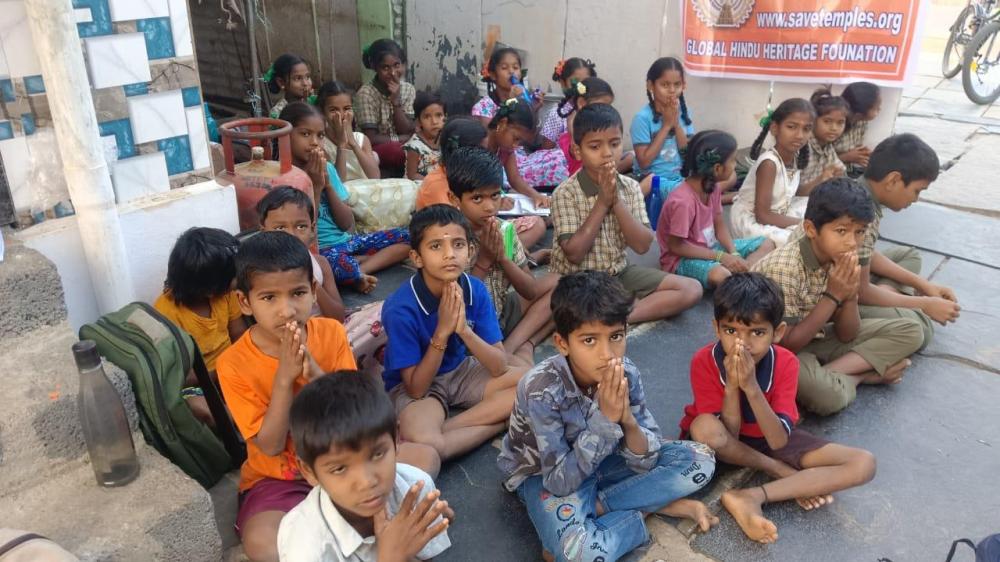
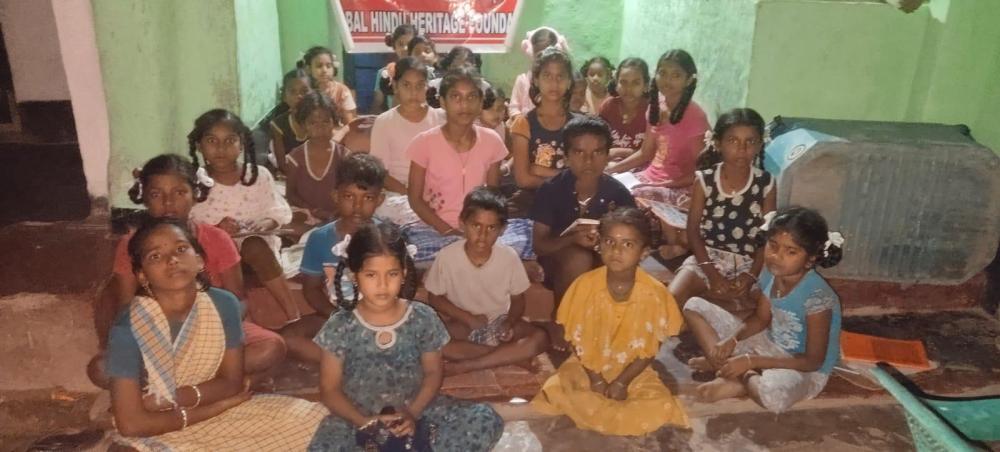
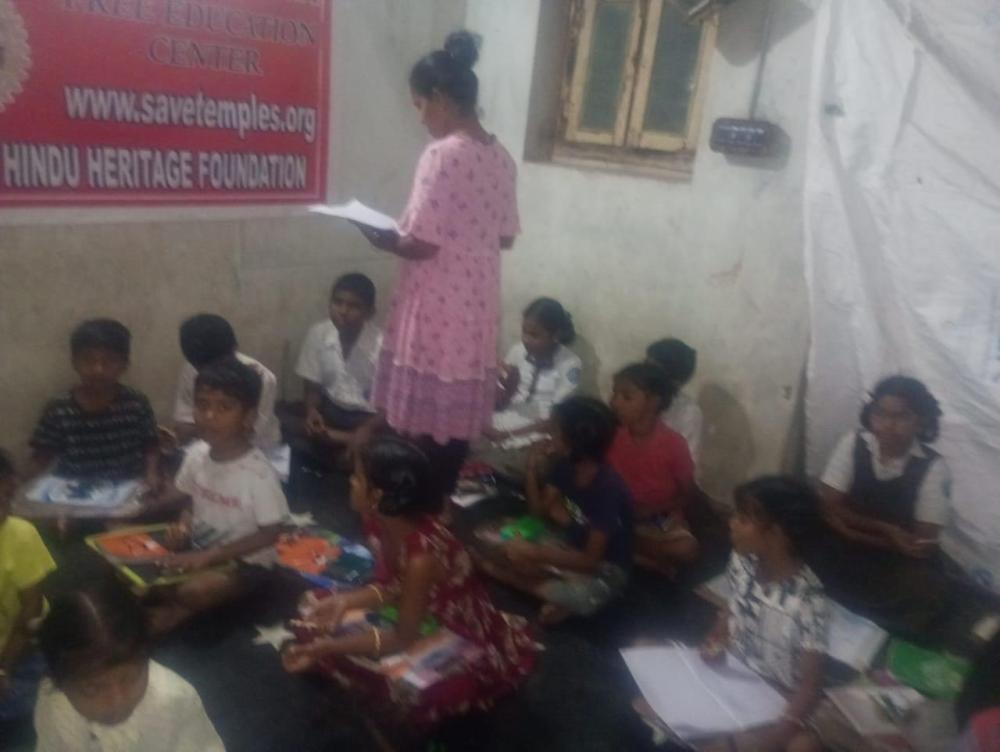
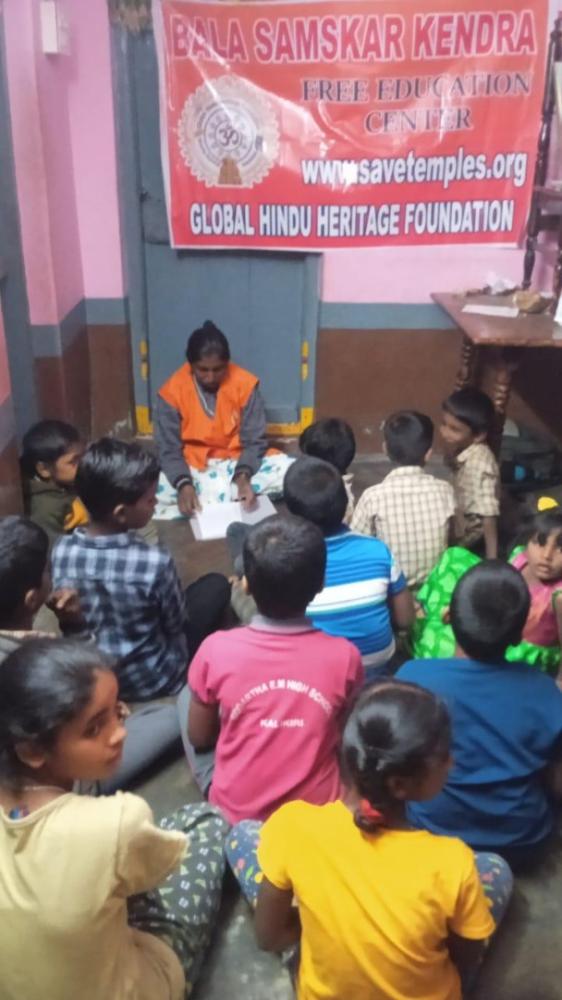
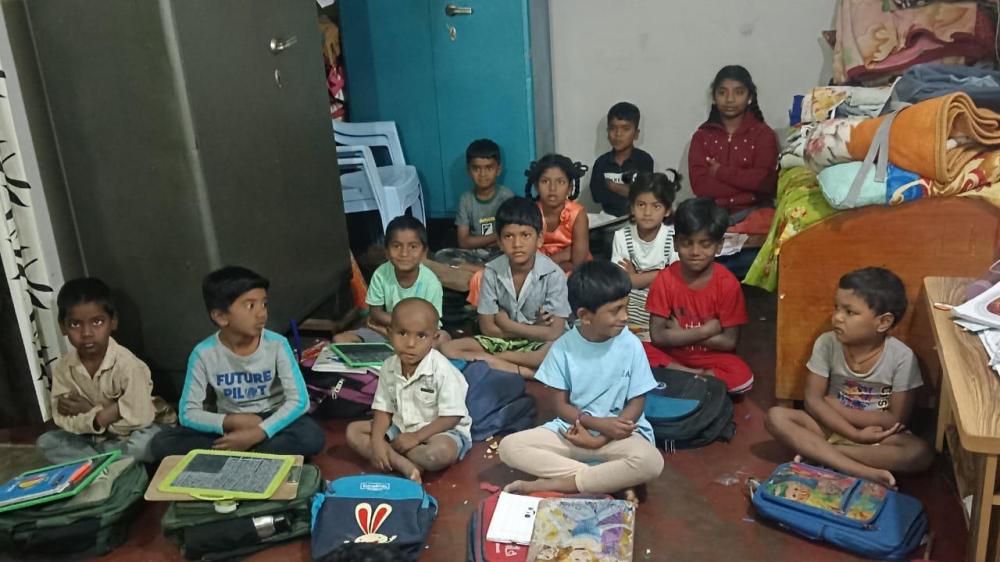
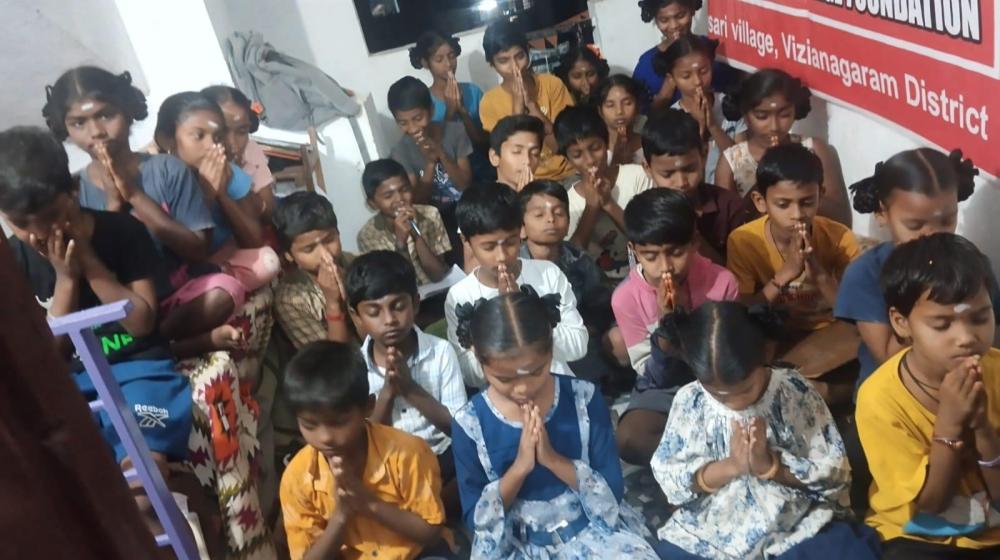
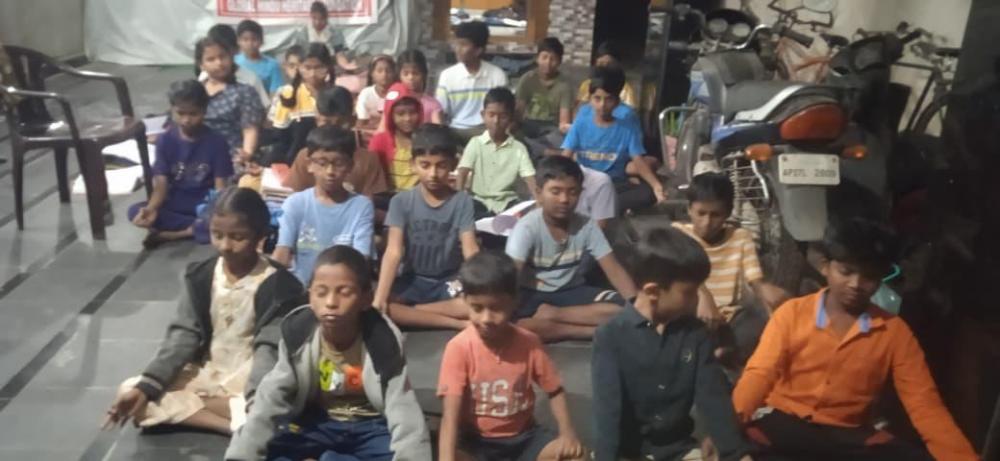
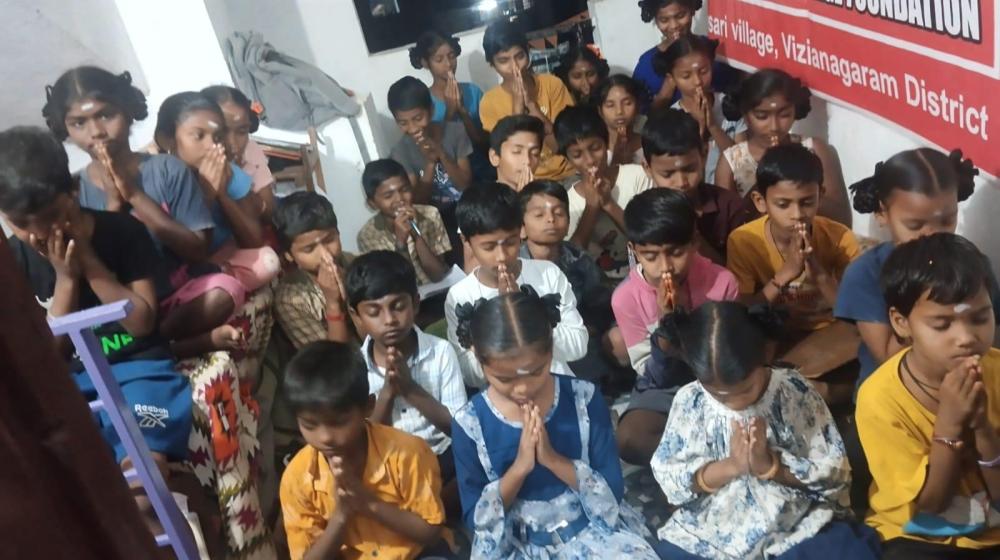
[GHHF] Bala Samskar Students learned about Deendayal Upadhyaya's service to RSS and his unwavering service to Bharat.
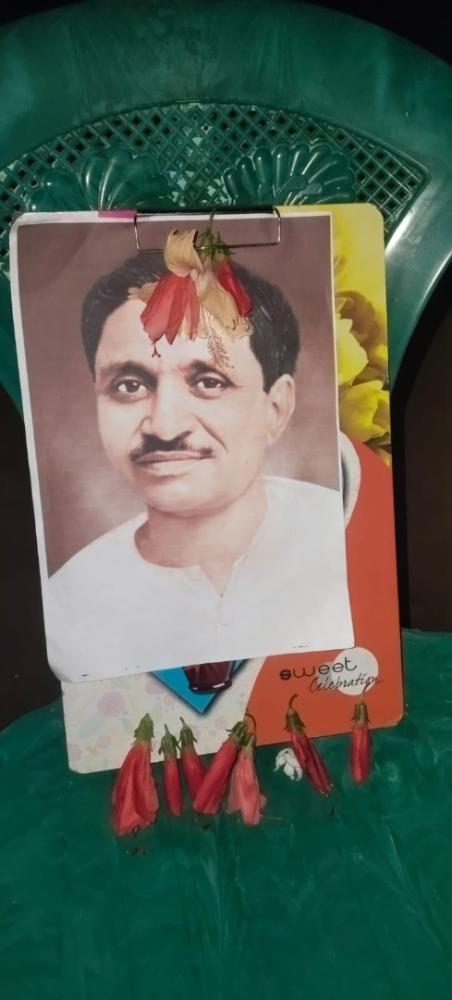
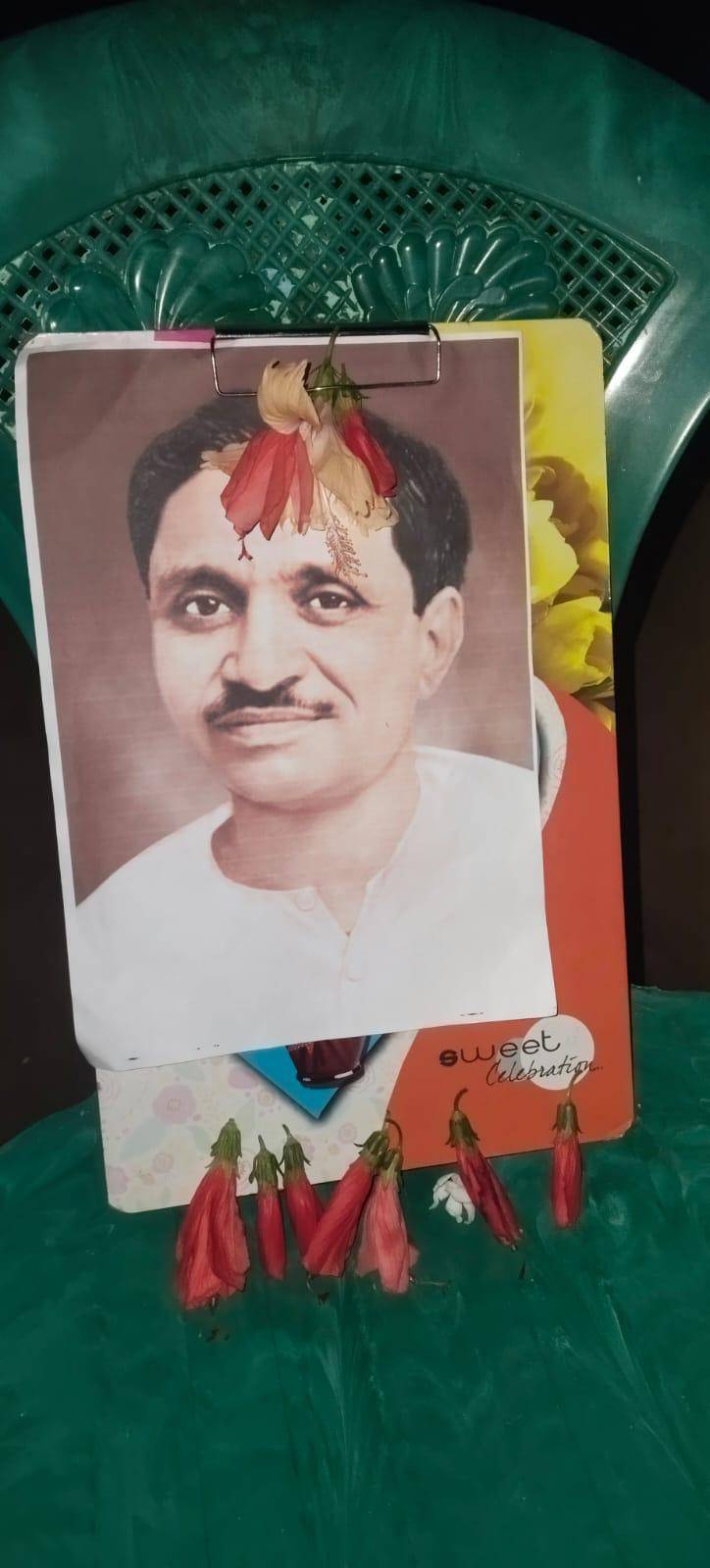 Pandit Deendayal Upadhyaya was born on September 25, 1916, and died on 11, February 1968. In this world, some people live only until their death, but a few live forever in the hearts of people even after they pass away. One such great soul was Pandit Deendayal Upadhyaya. He was born on September 25, 1916, into a humble family near Mathura, Uttar Pradesh. His father was Bhagwati Prasad, and his mother was Rampyari. Having lost his parents at a young age, Deendayal grew up in his maternal uncle's house. Despite facing numerous hardships, he pursued his studies with unwavering determination and won gold medals. It was during his B.A. studies in Kanpur that he was introduced to the Rashtriya Swayamsevak Sangh (RSS). From that point on, his life’s mission shifted toward the service of the nation.
Recognizing Deendayal's talent, the elders of the Sangh appointed him as the Sah-Pracharak of Uttar Pradesh. During this time, he focused on journalism and established the 'Rashtra Dharma Prakashan' organization. Through this, he promoted Indian culture by launching 'Rashtra Dharma' (monthly magazine), 'Panchjanya' (weekly magazine), and 'Swadesh' (daily newspaper). Beyond journalism, he authored historical novels like Samrat Chandragupta and Jagadguru Shankaracharya to bring our history to the youth. When the then Prime Minister Nehru's government banned the RSS by falsely blaming it for Gandhi's assassination, Deendayal ji fought relentlessly. Even when the government banned the Panchjanya magazine, he was undeterred and started another magazine called 'Himalaya,' causing significant unrest for the administration.
In 1951, Dr. Syama Prasad Mookerjee resigned from his position as Union Minister in protest against Prime Minister Nehru's policies. To counter the then Congress party's policies of Muslim appeasement and anti-Hindu Dharma stances, Dr. Mookerjee sought the help of the then RSS Sarsanghchalak, Param Pujaniya Guruji, to establish a political party rooted in national values and Indian culture. According to his wish, Guruji assigned young leaders like Pandit Deendayal Upadhyaya, Atalji, Jagannath Raoji, and Sundar Singh Bhandari to him. Thus, the 'Bharatiya Jana Sangh' was founded, and Deendayal ji was elected as its General Secretary.
After the suspicious death of Dr. Mookerjee, many thought the party would fade away. However, Deendayal ji took over as the Party President and strengthened it across the country with his extraordinary coordination skills. His philosophies of "Integral Humanism" (Ekatma Manavatawaad) and "Antyodaya" (serving the last person at the bottom of the ladder) showed a new direction to Indian politics. Deendayal ji was as simple as he was a great leader. Once, while traveling by train, his dhoti was slightly torn. Even though he had enough money to buy new clothes, he said, "Many in our country do not even have clothes to wear; why should I waste?" and stitched the tear himself. Despite being the President of an All-India political party, he washed his own clothes and cleaned his own plate, demonstrating to everyone the dignity of labor and self-reliance.
On the night of February 10, 1968, he left Lucknow for Patna on the 'Sealdah Express' to attend the Bihar State Jana Sangh executive meetings. No one imagined that this would be his final journey. In the early hours of February 11, his body was found near an electric pole by the railway tracks near Mughalsarai Railway Station in Uttar Pradesh. Like the death of Dr. Syama Prasad Mookerjee, there are many suspicions that Deendayal ji's death was also a result of a wicked political conspiracy. Forces that disliked his ideologies took the life of this great ascetic. Today, the government has honored him by renaming that station as "Pandit Deendayal Upadhyaya Junction."
Teacher Tasks
Discussion After the Story:
● What were the names of Deendayal ji's parents? (Father: Bhagwati Prasad, Mother: Rampyari).
● Was he afraid when the government banned the Panchjanya magazine? What did he do? (He was not afraid; he fought back by starting another magazine called 'Himalaya').
● What does the philosophy of 'Antyodaya' mean? (Desiring the welfare of the most backward and poorest person in society).
● Why didn't he buy a new dhoti when he was torn on the train? (Out of concern for the poor in the country and the principle of not wasting resources).
Creative Expression:
● Self-Power: Make the children take a pledge: "I will do my own work (arranging my school bag, washing my plate) with my own hands."
● Constructive Thinking: Write the names of the books written by Deendayal ji (Samrat Chandragupta, Jagadguru Shankaracharya) on the board and have the children recite them.
Practical Action (Implementation):
● Equality (Oneness): Deendayal ji believed that everyone is one. Children should treat all friends in their center equally and play together.
● Swadeshi Love & Saving: Learn to use our belongings (books, pens, clothes) carefully without damaging them. Realize that wasting any resource is equivalent to wasting the nation's wealth.
● Responsibility: Practice discipline by doing their own tasks. Help keep the center's surroundings clean.
Your donations are appreciated.
By Zelle: ghhfusaorg@gmail.com
PayPal: savetemples.org
By Check: You can also send a check payable to GHHF, 14726 Harmony Lane, Frisco, TX 75035.
By Rupees: call 601-918-7111; +91 83096 43979


 Urgent support needed for Bangladesh Hindus


