
[GHHF] Naga (Serpent) is worshipped to symbolize the abandonment of the poisonous qualities of anger, hatred, and jealousy. (Celebrated on November 13, 2026.)
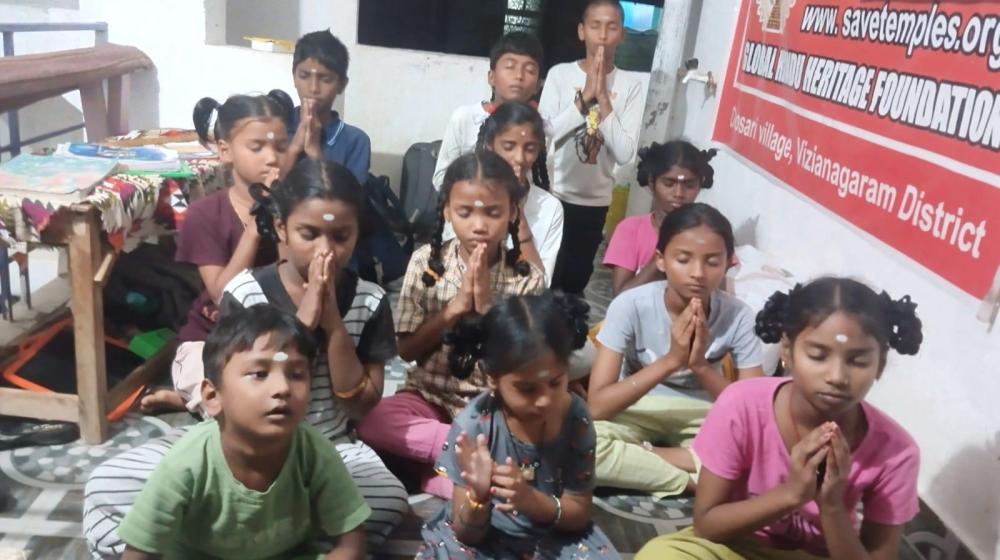
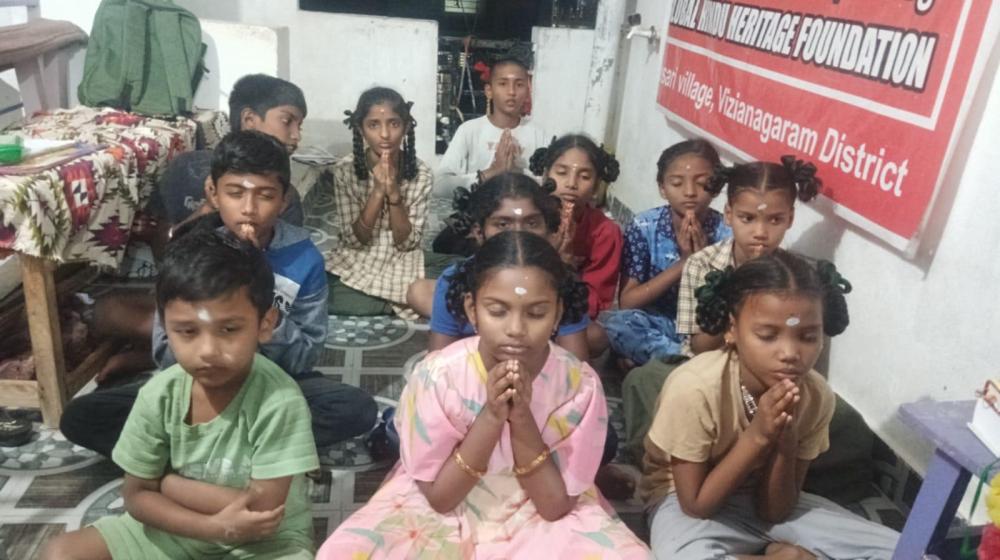
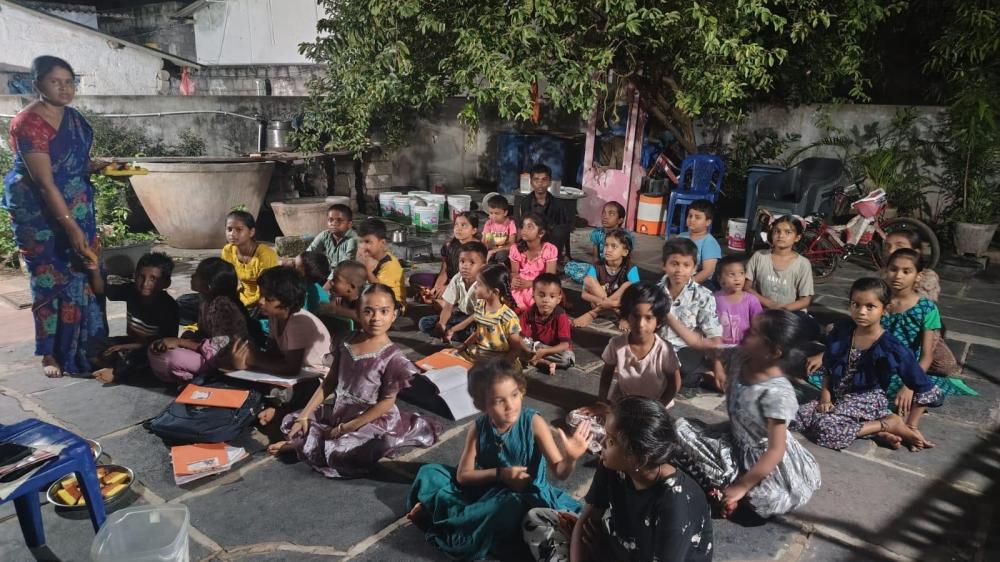
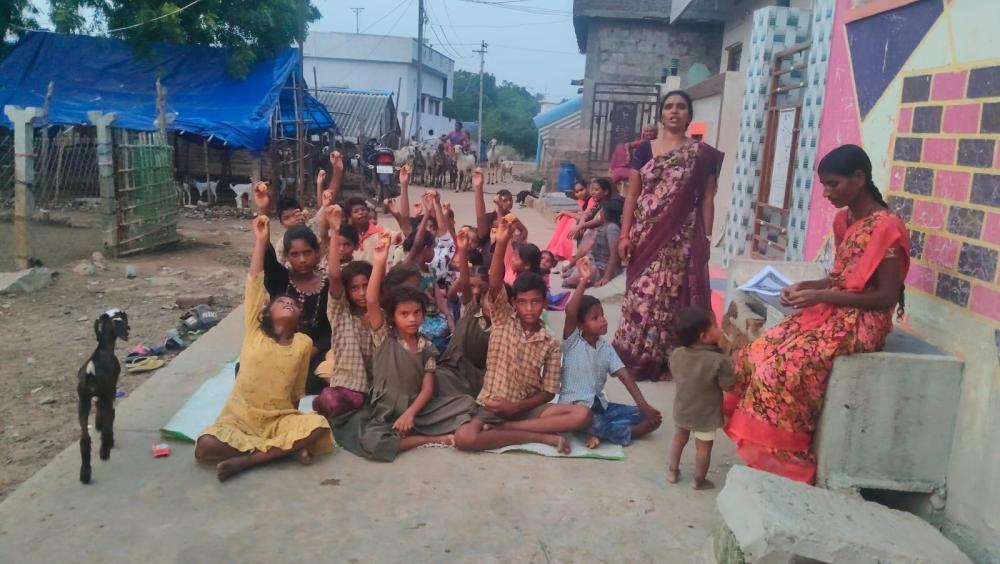
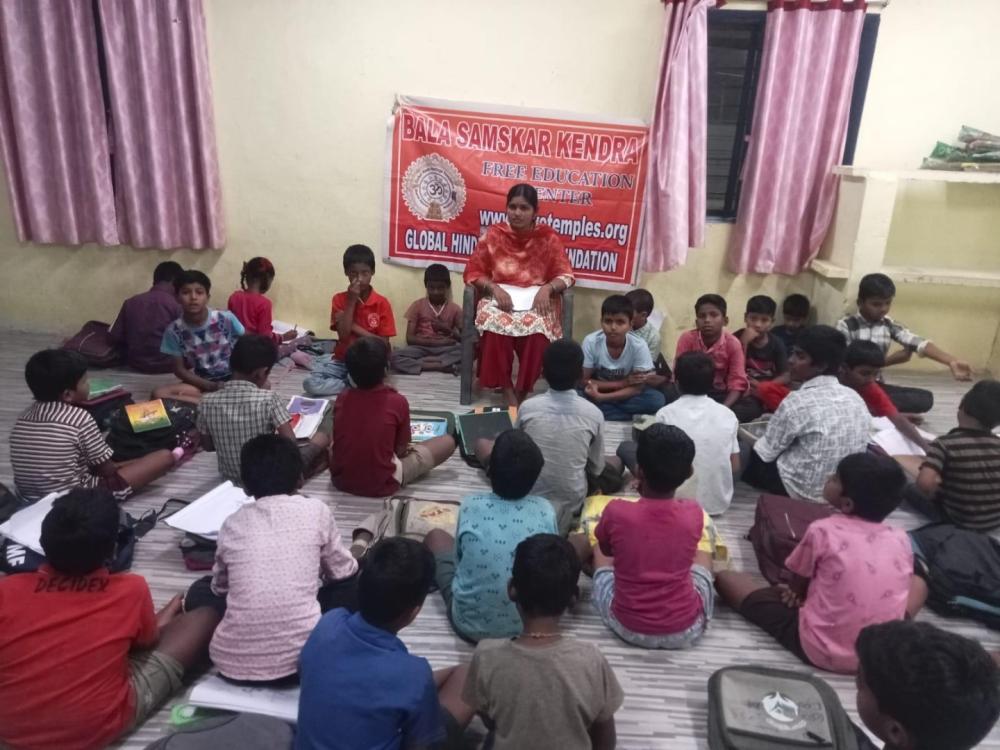
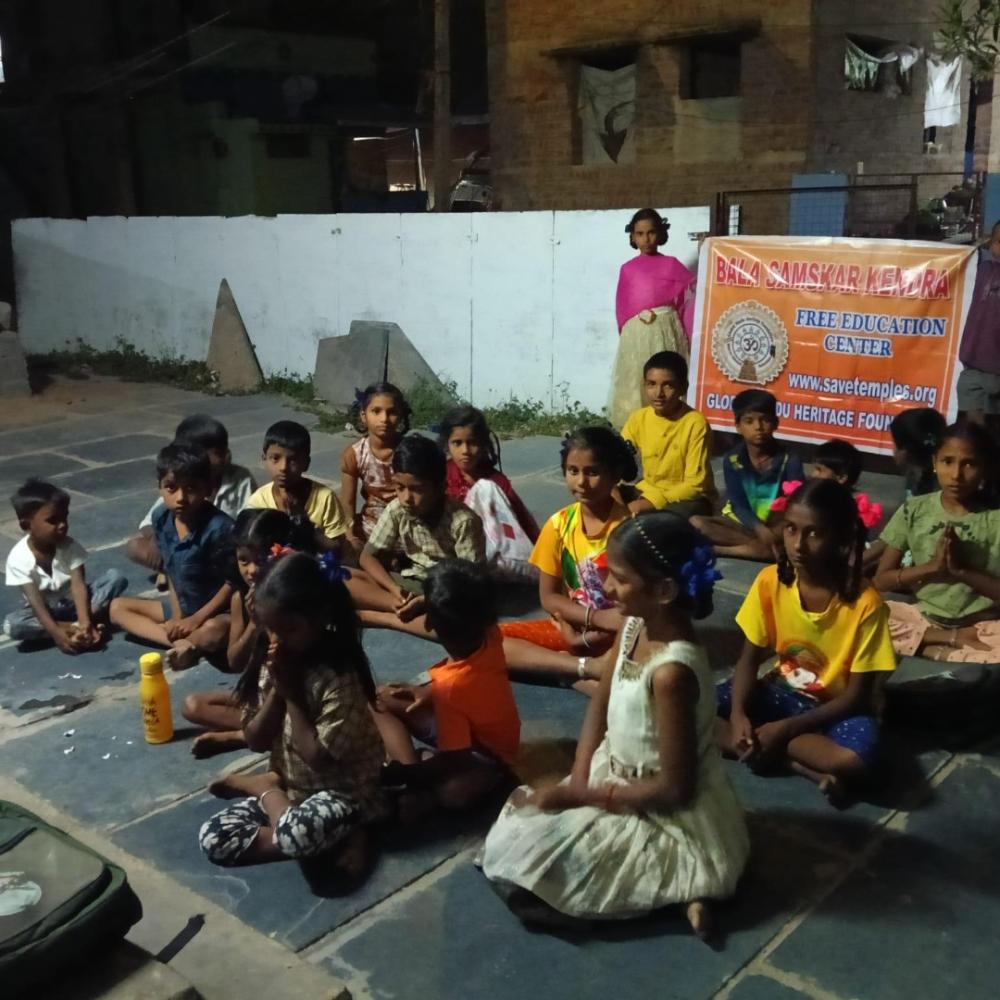
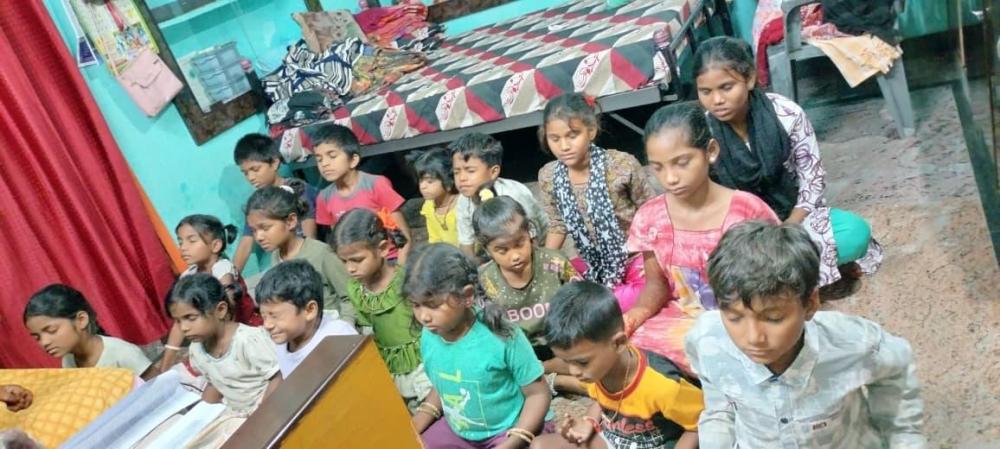
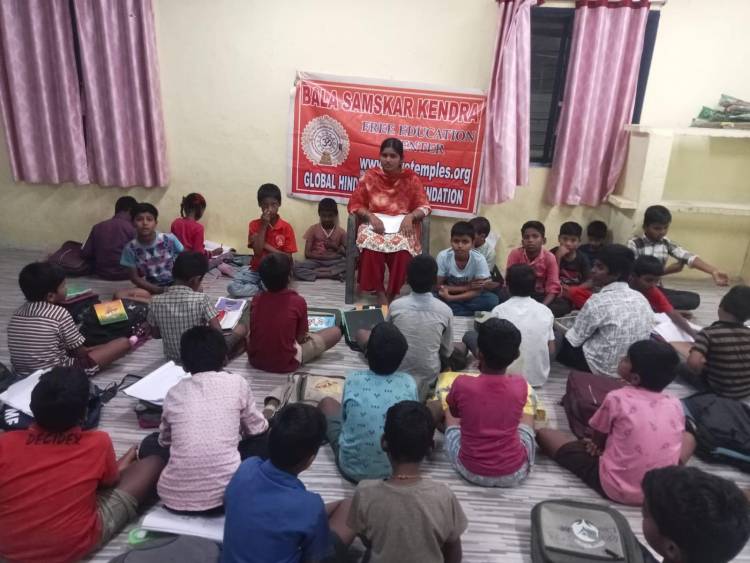 Global Hindu Heritage Foundation believes that teaching Indian children about the significance of Hindu festivals is crucial for preserving cultural heritage and instilling values. These festivals provide opportunities for children to learn about family, community, history, ancient Rishis, and moral lessons, fostering a sense of identity and belonging within their culture
Sanatana Dharma sees the form of God in every living being in creation. We have a wonderful culture that respects not only trees, mountains, and rivers, but also poisonous snakes without hatred. People in different parts of India worship the Naga caste with devotion. In regions like North India, Rajasthan, Assam, and Bengal, it is worshipped as 'Naagula Panchami' on Shravan Shuddha Panchami... In Andhra Pradesh, Telangana, Karnataka, and Tamil Nadu, it is celebrated as 'Naagula Chavithi' on Karthika Shuddha Chavithi, which comes after Diwali.
Many people consider the common snakes that crawl on the ground to be the same as the Nagas mentioned in the Puranas. But according to our scriptures, these two are different. The ones that crawl on the ground and in the soil are common poisonous and non-poisonous snakes (reptiles). But Nagas are not like that; They are a sub-divine race living in the underworld. They have amazing sexual powers and great penance, taking human form and snake form when needed. The Mahabharata Adi Parva tells an interesting story about the emergence of this divine snake race.
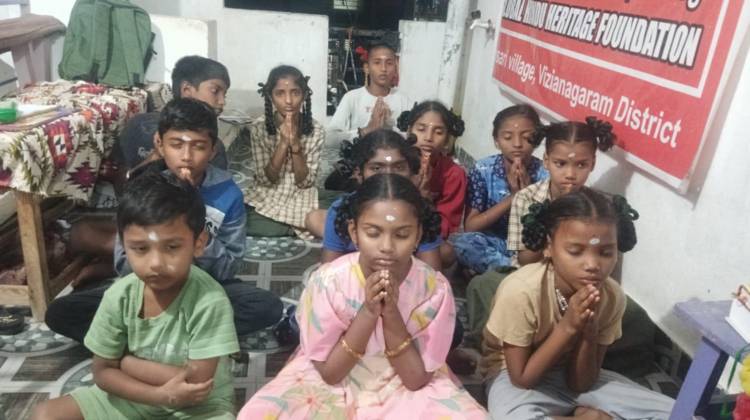 At the beginning of creation, Kashyapa Prajapati had two wives, Kadruva and Vinata, daughters of Daksha. Both were his sisters. One day, Kashyapa Maharishi, appreciating their services, asked them to ask for boons. The elder wife, Kadruva, wanted a thousand Naga sons who were as brave as he was. The younger wife, Vinata, wanted two sons braver than Kadruva's.
Over time, the very powerful Nagas born to Kadruva were Ananta, Vasuki, Sesha, Takshaka, and Karkotaka. Anura, the charioteer of the Sun, and Garutman, Lord Vishnu's vehicle, were born to Vinata. That is, Garutman and the Nagas are the children of their maternal aunts and grandmothers (cousins).
In Sanatana Dharma, the Nagas are given equal respect as gods. Lord Vishnu sleeps on Adisesha; in reality, Lord Shiva wears Vasuki as his neck ornament. Balarama, who incarnated as Lord Krishna's brother in the Dwapara Yuga, is part of Adisesha. Ulupi, who married Arjuna in the Mahabharata, is also a Naga girl from the underworld.
The Naga Chavithi festival also holds a great ecological secret. In addition to worshiping the Naga deities at the mounds, it is our dharma to show gratitude to the common snakes that roam the ground. Snakes are true friends of farmers. Snakes help farmers by eating rats and insects that destroy grain in the fields. Without snakes, rats multiply and destroy crops.
Customs vary depending on the region. In Andhra Pradesh and Telangana, people offer sesame paste, cold water, and cow's milk to withstand the cold of the month of Karthika... In other states, people worship Naga idols with milk and flowers. While worshipping Naga deities externally, the real meaning of Naga worship is to abandon the poisonous qualities of anger, jealousy, and hatred in our inner selves and be kind to all living beings.
Your donations are appreciated.
By Zelle: ghhfusaorg@gmail.com
PayPal: savetemples.org
By Check: GHHF, 14726 Harmony Lane, Frisco, TX 75035.
Call 601-918-7111; +91 83096 43979



 Urgent support needed for Bangladesh Hindus


