
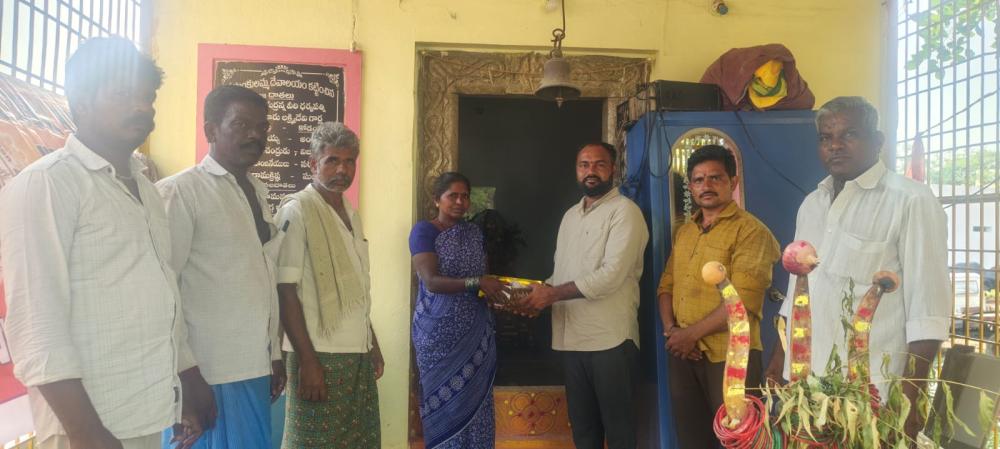
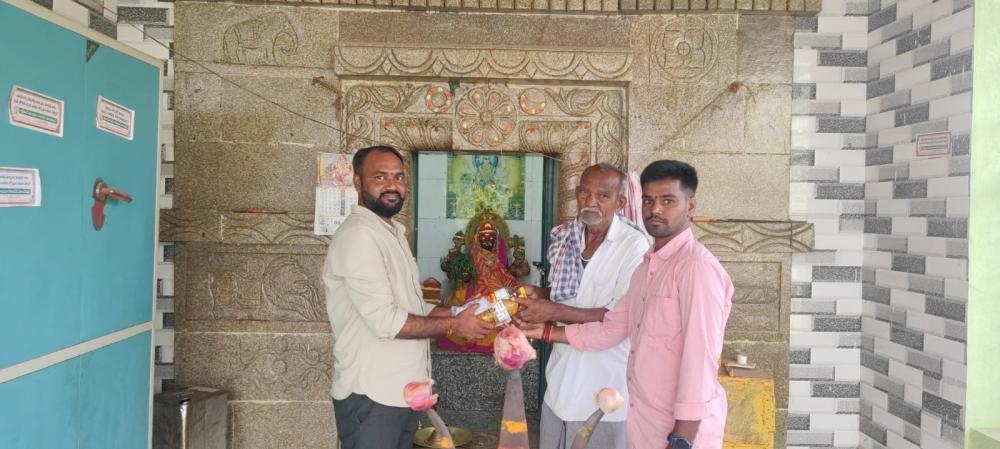
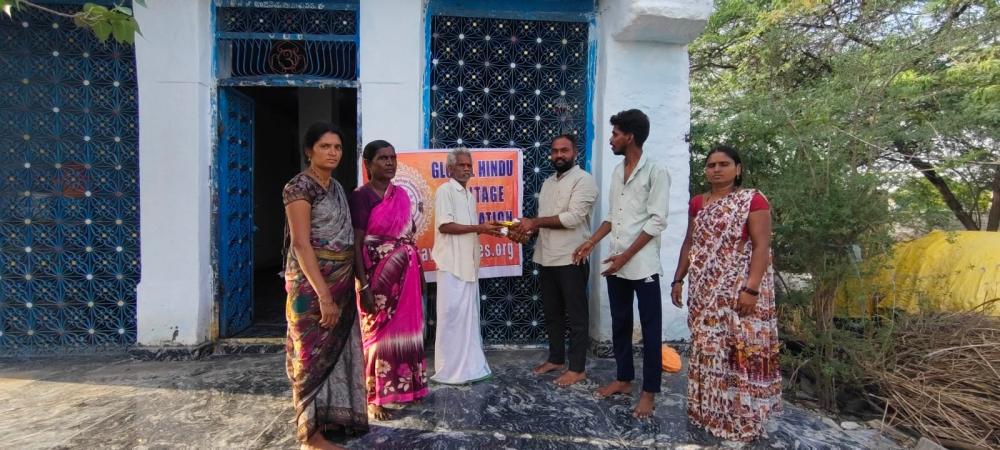
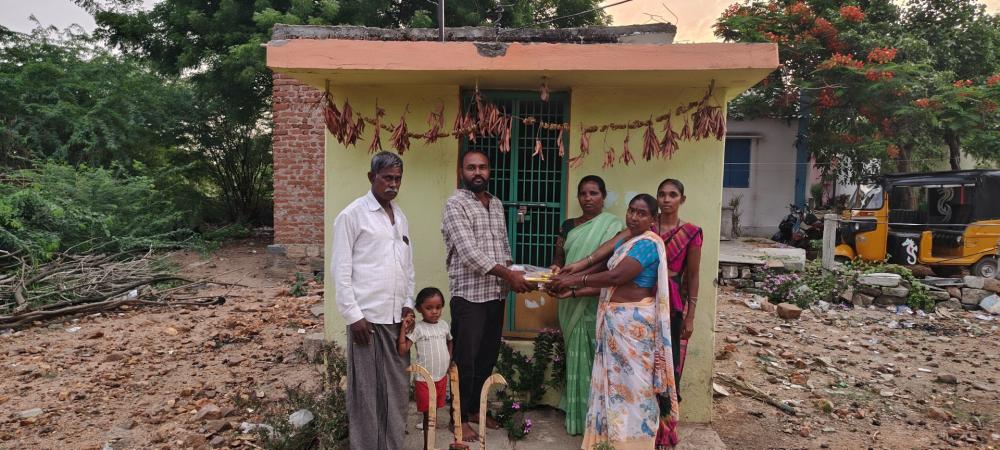
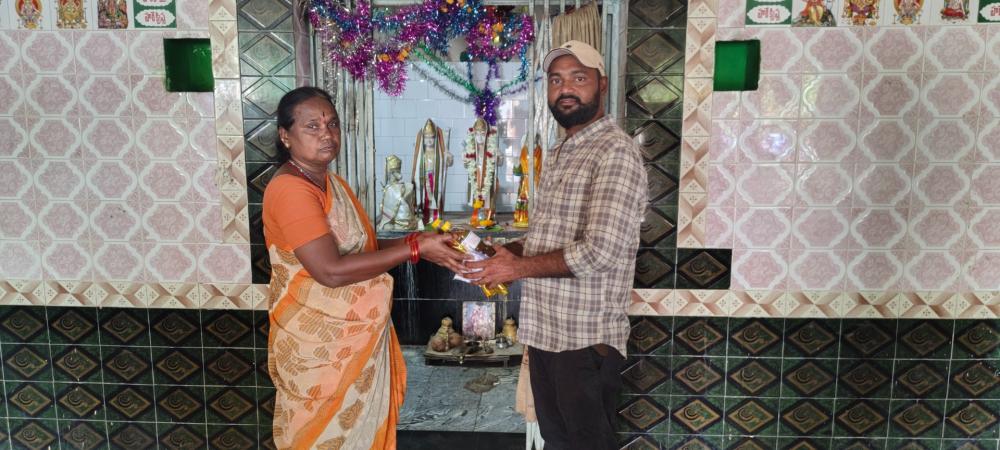
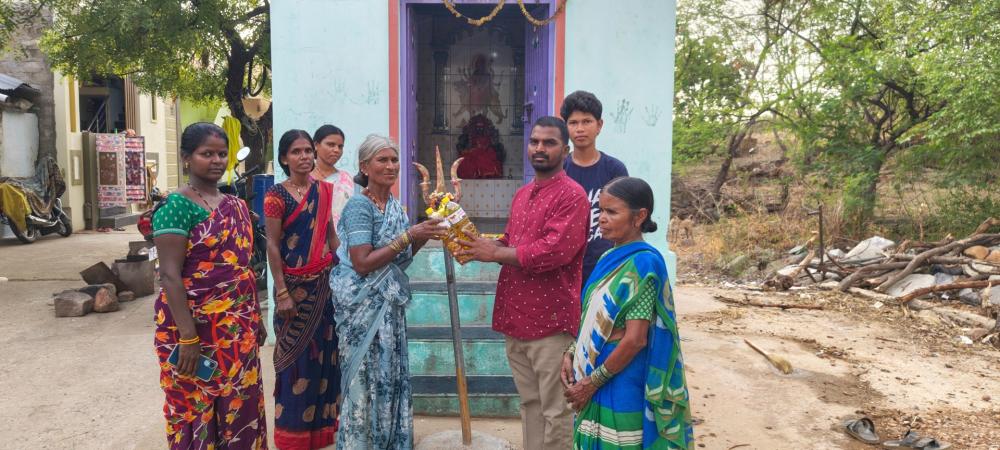
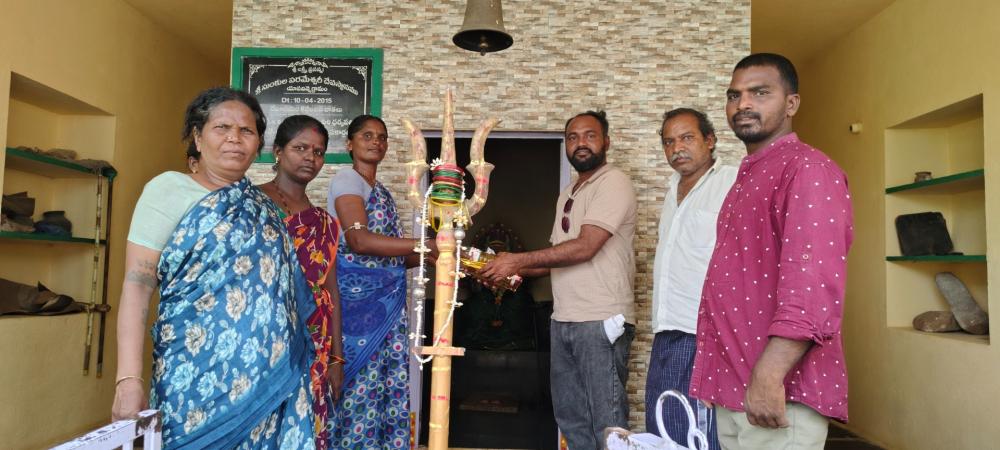
[GHHF] Dhupa Deepa Naivedyam Kits are distributed to Temples in villages to perform daily rituals to Gramadevatas.
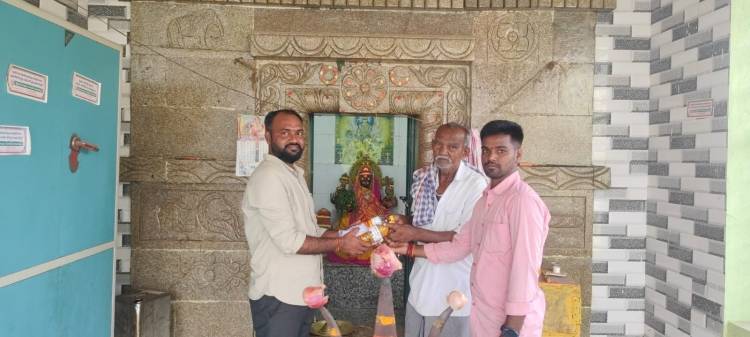 Global Hindu Heritage Foundation is extremely happy to recognize the need to preserve and protect the traditions and customs in the villages. We feel that many villagers identify with a particular Gramadevatas (Village Deities) and pray for their blessings to protect them from possible impending dangers. This is our effort to revive the sentiments and faith in Gramadevatas, who once played a significant role in unifying the entire community.
In Hindu temples, if the lamp is always lit, that light becomes a beacon of knowledge and protects those around it from falling into the darkness of ignorance. These pooja funds are given on behalf of the organization to provide a helping hand to those who have unwavering devotion to the Lord and are facing financial difficulties to serve him and to ensure the smooth running of the services in the temples.
Conversion is dangerous to national security; this is not what we are saying, but history is telling the truth. Akhand Barat has already been divided by these heretical religions, and the proselytizing gangs are still trying to divide the country. Many people living in the border areas have already been converted to weaken the country's borders.
As we all know, India's border region is located on most seacoasts. The people in the fishing villages along the seacoasts are being converted by using numerous allurements. To prevent this religious conversion, to continue the daily rituals in the Temple, to undertake dharmic activities to establish peace and harmony, the Global Hindu Heritage Foundation is committed to providing needed puja materials such as incense, camphor, lamp, oil, wicks, and offering services have been handed over to the temples. We also run Bala Samskara Kendras through the Global Hindu Heritage Foundation in several fishing villages.
Grama Devatas means village Goddesses/Deities installed in the villages to protect the town, crops, calamities, and various ailments and bless the villagers with health and wealth. As we know, many Grama Devatas are in a small place in the community or village. The overwhelming majority of Grama Devatas are Goddesses with very few notable experiences. Dharma-Thakkur is a god of fertility and disease in West Bengal. Another example is Kala Bhairava, a fierce form of Lord Shiva, which is the Gramadevata in the rural villages of Maharashtra, where he is referred to as Vairavar.
Many people in villages will have darshan of Gramadevata before they go out of town or go on pilgrimage. They are worshipped on a regular basis, and offerings are made in recognition of their role as protectors of the village and preventor of numerous ailments. The names of the Gramadevatas vary from village to village. Examples of these Gramadevatas are Ganganamma, Veeramma, Poleramma, Chenchulakshmi, Bangaramma, Bangamma, Seetalamma, Nookalamma, Mumba Devi, Gulebi, and others.
According to Sree Padma (2013), “A Gramadevata often is “at home” in the outdoors and usually symbolized aniconically in the form of a shapeless rock, a snake hole, or a tree. While she may also be seen in the form of images within more humbly constructed and appointed shrines at the edge of a village, Gramadevatas are usually worshipped directly by devotees without any Brahman priestly mediation and therefore without elaborate Sanskrit recitations….The priests and priestesses of these Gramadevata are mostly from non-Brahminic castes and play a major cultic role only at the time of special festivals.”
Your donations are appreciated;
By Zelle: ghhfusaorg@gmail.com
PayPal: savetemples.org
By Check: GHHF, 14726 Harmony Lane, Frisco, TX 75035.
By Rupees: call 601-918-7111; +91 83096 43979


 Urgent support needed for Bangladesh Hindus


